
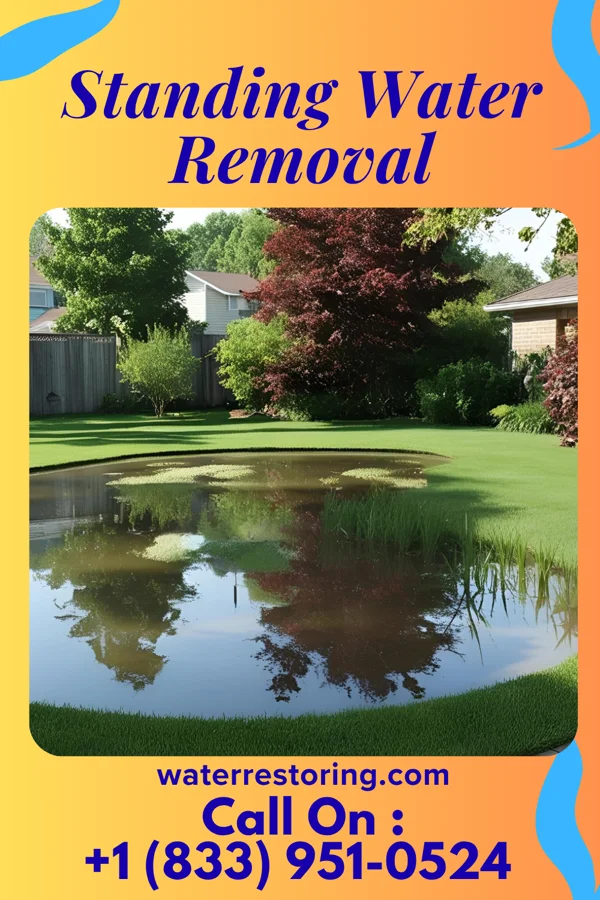
Winchester Standing Water: What Owners Should Know
Residential or commercial, water damage emergencies in Winchester keep coming back to the same drivers. In Winchester, Virginia, the primary water damage causes include plumbing leaks from aging infrastructure, basement flooding due to heavy rainfall, and sewer backups during severe weather events. The city's proximity to the Shenandoah Valley and its seasonal climate make water intrusion a recurring issue, particularly in older homes with inadequate drainage systems. sits at the top of the list. A close second is Secondary causes include roof leaks during summer thunderstorms, HVAC system failures leading to condensation, and accidental spills from residential appliances. These issues are often exacerbated by the suburban layout of Winchester, where homes are spread out and may lack proper gutters or downspouts..
Winchester experiences a humid continental climate with significant rainfall in the spring and summer, increasing the risk of water damage. The region's frequent thunderstorms and occasional flooding can lead to sudden water intrusion, requiring rapid response to prevent long-term structural issues.
Water damage in Winchester follows a few local patterns. In Winchester, Virginia, the primary water damage causes include plumbing leaks from aging infrastructure, basement flooding due to heavy rainfall, and sewer backups during severe weather events. The city's proximity to the Shenandoah Valley and its seasonal climate make water intrusion a recurring issue, particularly in older homes with inadequate drainage systems. accounts for the bulk of our calls. Winchester experiences a humid continental climate with significant rainfall in the spring and summer, increasing the risk of water damage. The region's frequent thunderstorms and occasional flooding can lead to sudden water intrusion, requiring rapid response to prevent long-term structural issues. Mold growth in Winchester can develop within 48 hours of water exposure, especially in the humid summer months. Prompt action is critical to prevent health risks and costly damage, particularly in homes with poor ventilation or outdated insulation.